All Categories
Featured
Upcoming Sector Marketing Forecasts for Domestic Enterprises
Table of Contents
The most trustworthy method to evaluate a performance marketing firm before you have actually dealt with them is to ask to see a sample report from an existing customer. What a company chooses to surfaceand what they select to omittells you everything about how they think of responsibility. Good performance marketing reporting is not about the number of metrics on a page.
An agency that can't produce that kind of report can't run a disciplined program. An excellent performance marketing report answers 3 questions: Are we striking our targets? Why are we at our present performance level? What are we doing about it? The first question is answered by the KPI summaryCPA, ROAS, CAC, pipeline contribution, and invest relative to budget.
[target2:anchor_exact1]The second question is addressed by channel and creative breakdowns. Which channels are carrying out above target? Which are listed below? Where is the certified public accountant coming fromvolume or cost? Is creative fatigue visible in CTR trends? Is a specific audience sector driving out of proportion results? The 3rd question is answered by the action strategy.
Executing Comprehensive Marketing Analysis for Local Growth
For this to work, the data has to be credible. That suggests clean conversion tracking, constant attribution methodology, and UTM structure that permits source-level analysis. The attribution models powering precise reports ought to be recorded in the report itselfif you do not know what attribution model produced the CPA number, the certified public accountant number is ambiguous.
They cover campaign-level performance, invest pacing, imaginative test outcomes, and any anomalies from the previous week. Weekly reports need to be briefa summary scorecard with flagged products, not a 40-page deck.
They cover full-funnel performance against monthly KPI targets, channel-level analysis, imaginative performance, and audience health. This is where you examine the month's experiments, confirm what worked, document knowings, and set concerns for the next month. Monthly reports should include explicit commentary on each major metricnot just the number, but what it implies.
They cover cohort-level analysis, LTV: CAC patterns, channel effectiveness gradually, and strategic recommendations for the next quarter. This is the report that goes to your leadership group or board. A company that just provides month-to-month summaries is missing out on the accountability loop that weekly reporting creates. A firm that only supplies weekly channel pictures without monthly tactical synthesis isn't helping you make resource allowance choices.
Real-World American Sector Success Reports
How much competent pipeline did performance marketing produce this month, and at what expense per opportunity? CTR, hook rate (for video), conversion rate by creative.
Summary of any experiments run in the duration with results and suggested actions. These are straight connected to the KPIs your reports must include. A firm that surface areas vanity metricsimpressions, follower growth, organic reachwithout the business-level metrics above is obscuring more than they're exposing. The tool matters less than the underlying data quality, however these are the most common reporting platforms you'll encounter.
Limitations: no real-time data blending, limited cross-platform attribution. Mixes Shopify revenue with advertisement platform information to provide a clearer attribution picture. Multi-touch attribution platform with cross-channel mixing.
Attribution is restricted to HubSpot-tracked touchpoints, which can undercount paid impact. When examining firms, ask which tool they utilize, who owns the information (you or the agency), and what takes place to your reporting gain access to if you end the engagement.
Comparing Industry Growth Standards in the US
How much competent pipeline did efficiency marketing create this month, and at what expense per opportunity? CTR, hook rate (for video), conversion rate by creative.
A firm that surfaces vanity metricsimpressions, fan development, natural reachwithout the business-level metrics above is obscuring more than they're exposing. The tool matters less than the underlying data quality, however these are the most typical reporting platforms you'll come across.
Versatile for customized dashboards. Limitations: no real-time information blending, minimal cross-platform attribution. Mainly for e-commerce. Mixes Shopify profits with advertisement platform information to give a clearer attribution picture. Uses pixel-level tracking and associate analysis. Multi-touch attribution platform with cross-channel mixing. More precise than platform-native attribution. Requires a setup period. Similar to Northbeam.
Comparing Industry Growth Standards in the US
Beneficial when HubSpot is the CRM. Attribution is restricted to HubSpot-tracked touchpoints, which can undercount paid impact. Some agencies construct exclusive control panels that surface their preferred metrics. These can be excellent or deceptive depending on what's included. When assessing agencies, ask which tool they use, who owns the data (you or the agency), and what takes place to your reporting gain access to if you end the engagement.
Broken down by channel, project, and where possible by lead quality tier. For B2B SaaS with a sales group. Just how much qualified pipeline did efficiency marketing generate this month, and at what cost per chance? CTR, hook rate (for video), conversion rate by imaginative. Which ideas are winning, which are fatiguing.
A company that surface areas vanity metricsimpressions, follower growth, natural reachwithout the business-level metrics above is obscuring more than they're revealing. The tool matters less than the underlying information quality, but these are the most common reporting platforms you'll encounter.
Limitations: no real-time data blending, limited cross-platform attribution. Mixes Shopify profits with advertisement platform information to offer a clearer attribution picture. Multi-touch attribution platform with cross-channel mixing.
Useful when HubSpot is the CRM. Attribution is restricted to HubSpot-tracked touchpoints, which can undercount paid impact. Some agencies develop proprietary dashboards that appear their preferred metrics. These can be exceptional or misleading depending upon what's included. When assessing companies, ask which tool they use, who owns the data (you or the firm), and what takes place to your reporting access if you terminate the engagement.

Latest Posts
Strategic Market Research Tactics for Modern Sectors
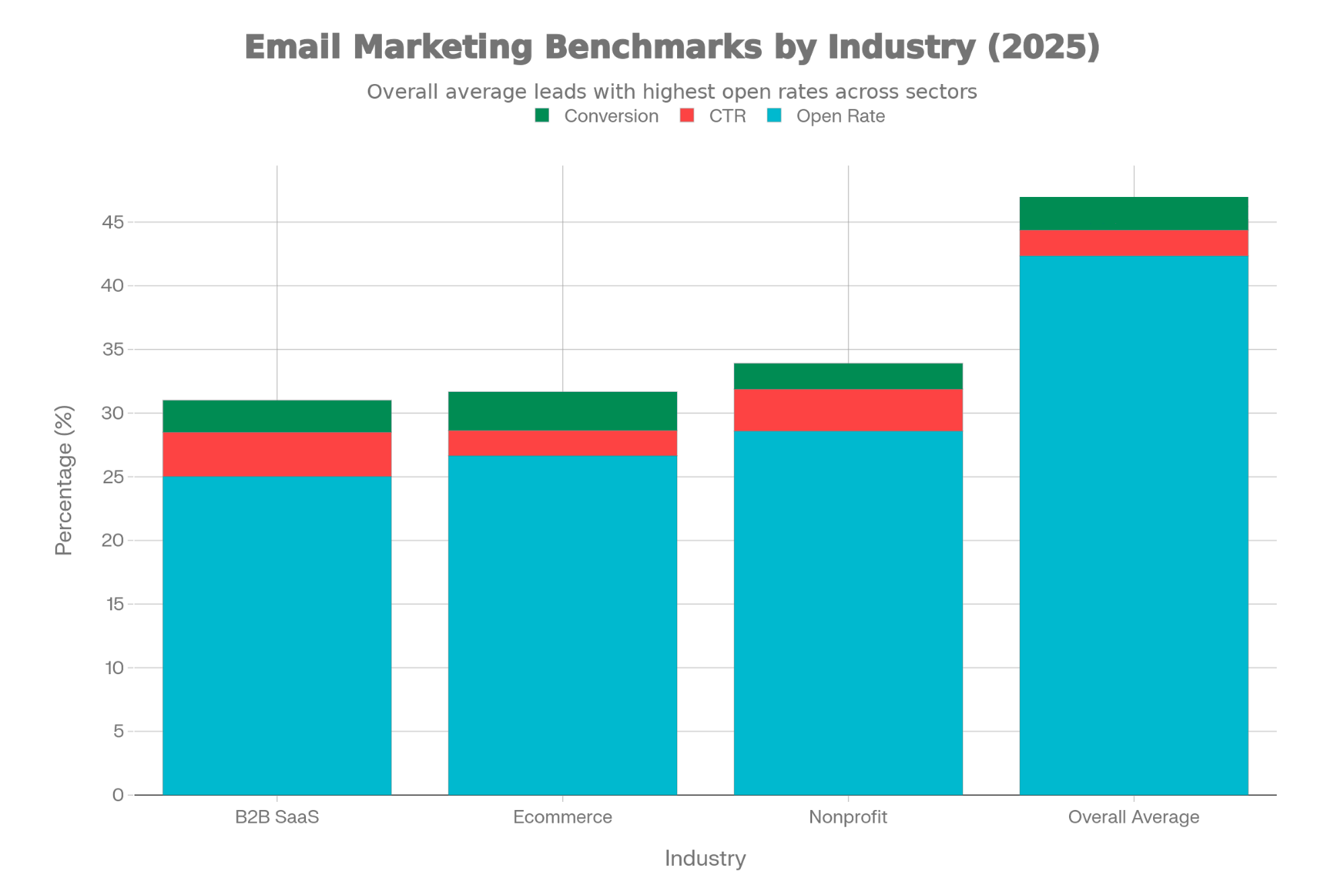
Measuring Marketing Metrics against Sector Standards

Proven Industry Solutions and Performance Proof